How “Flexible Working” benefit to Organizations and Employees.
PEOPLE AND ORGANIZATIONS : PRINCIPLES AND PRACTICE IN GLOBAL CONTEXTS.
( by M.D.E.I.M.Muthugalage - 23042637)
How “Flexible Working” benefit to Organizations and Employees.
Flexible working schedule” or commonly used as “Flex hours” is a trending phenomenon in current business world, provides employees to maintain work – life balance. They have autonomy to create their own schedules and find a flexible working roster having aliening to a traditional nine to five work weeks. It allows employees to vary the times to begin and end their work day.
It’s
noteworthy to remember that flex hours don’t mean to less hours. Employee has
to cover up the agreed working time duration or fulfil any other work agreement
entered with the employer. The method provides employees to adjust their
personal life in a balanced way and meet the career challenges having a win-
win situation.
In
the same time people and organizations tend to find flexible work station or
work remotely, especially to work from home. During the pandemic situation,
this concept was highly popularized and many organizations yet to run this
model, exploring many benefits to both ends like employer – employee.
- · Remote working
(Telecommuting)
- ·
Flexible hours
- ·
Compressed work weeks
- ·
Job sharing
- ·
Part time work
- ·
Annualized hours
- · Phased retirement
Apart
to the flex hours and seats, it’s widely used the concept of running Hybrid
Models. Employees are assigned to work in both remote and office and also have
many advantages for both ends considerably.
How this concept benefited to both employer and employee.
- ·
Employees can
adjust time schedules to fit needs of their families.
- ·
They can indulge
in self-care.
- ·
Employees can
pursue passions outside of work
- ·
Have the benefit
of engaged in most productive time in the day.
- ·
Employees can
avoid rush hours.
- ·
Employer provides
a sense of autonomy.
- ·
Organizations can
recruit and retain better talents.
- · Organizations have
reduced operational cost drastically when they introduce flexible working seats
to their employees.
· This work
practice is widely used in organizations having a modern and sophisticated management
styles and mostly use IT infrastructure to keep their people engaged and
occupied in a productive manner, when out of traditional reporting path.
· This flexibility
is admired by many of the employees and hence recruitment becomes more
effective and result oriented.
· Organizations
find more productive employees as they could extract up to the maximum from a man
with happy and hassle free mind set.
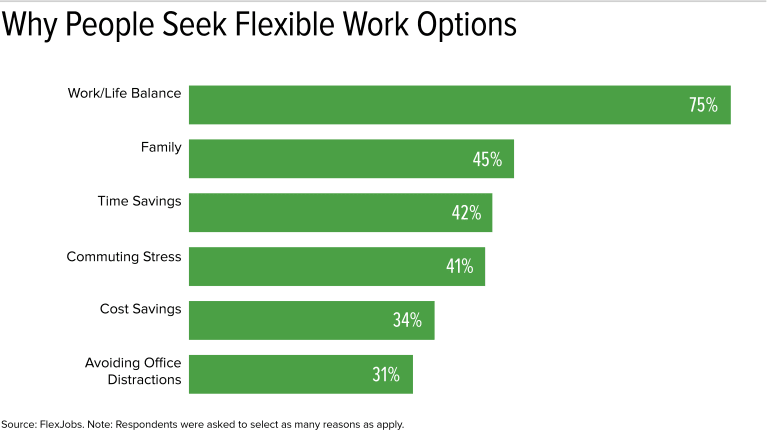


Flexible working , will it benefit the company or not. The doubt being cleared in this post. The implementation of flexible working arrangements represents a strategic win-win for both organizations and employees. This blog astutely explores the multifaceted advantages of such practices. At an MBA level, understanding the symbiotic relationship between flexibility and productivity is crucial, as it enables future business leaders to design and implement strategies that optimize resource allocation, bolster employee satisfaction, and drive organizational agility, thereby fostering a competitive edge in today's dynamic business environment. Thank You
ReplyDeleteFlexible working is a widely used concept in today's business. There are many advantages and plus points we can get from this concept. This article provided many new points of knowledge to me about the flexible working.
ReplyDelete